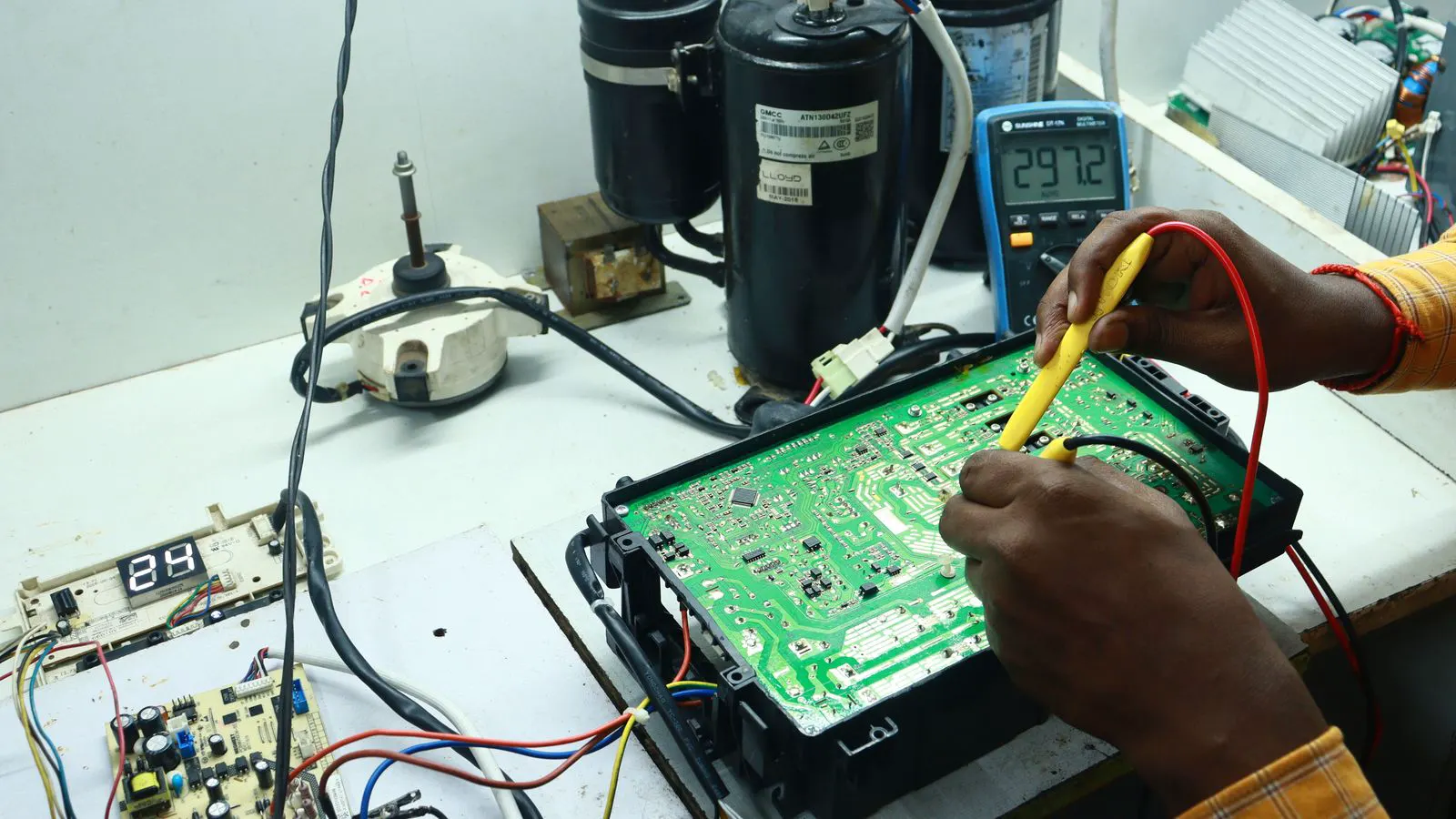
Local distributors lower logistics risk and speed delivery, while international imports often cut equipment costs but add freight and customs delays. The best choice depends on budget, timeline, and service needs.
- Local suppliers reduce freight complexity and usually offer faster installation support.
- International imports lower unit prices but increase exposure to port delays and currency swings.
- A clear RFQ with specs and delivery terms makes quotes easier to compare.
- Total cost includes freight, duties, installation, and spare parts, not just the invoice price.
- Lead time risk grows with distance, customs clearance, and missing documentation.
What drives supplier cost and lead time
Supplier cost and lead time are shaped by more than the sticker price on the equipment. A local distributor may charge more per unit, yet the total project cost can be lower when you remove freight, insurance, and extended warehouse storage. An international importer may offer a lower base price, but the invoice can rise quickly once shipping, handling, customs brokerage, and local compliance fees are added.
Delivery time follows the same pattern. A supplier within the same country can often deliver standard ovens or refrigeration in days. An overseas order can take weeks or months, depending on the port, the vessel schedule, and the speed of customs clearance. The distance between the factory and the receiving kitchen matters, but so does the complexity of the equipment and the documentation required for import.
Local sourcing versus importing equipment
Local sourcing keeps the supply chain short. The distributor handles delivery, may stock common spare parts, and can coordinate installation with the site team. This reduces the chance that a missing bolt or a delayed transformer stops the project. For a restaurant opening on a fixed date, that predictability can be worth a higher unit price.
Importing equipment gives access to manufacturers that do not sell through local channels. This is common for specialty items, high-capacity lines, or models with specific controls and materials. The price advantage is real. The trade-off is that the buyer takes on more of the logistics burden. Freight rates can shift. Container space can be tight. A delay at a port or a customs inspection can push the arrival date back without warning.
The decision is not always about the cheapest invoice. It is about the total cost of bringing the equipment to a working state. A local unit that requires no special adapter and arrives in two weeks may cost less than an imported unit that needs a power conversion service and waits three months.
How to write a clear RFQ
A weak request for quote produces weak quotes. The supplier may guess at the scope, then revise the price after the project starts. A clear RFQ should include the equipment list, the quantity, the voltage and frequency, the required controls, and the delivery location. It should also state whether the quote must include freight, installation, commissioning, and spare parts.
Use a standard format. List each line item with model details or equivalent specifications. Define the delivery terms, such as the site address, the required date, and whether the supplier handles lifting. Ask for the warranty period and the response time for service calls. Ask for the lead time for each item, not just the whole order.
Avoid vague language. Do not write “kitchen equipment as needed.” Specify the line length, the cooking zones, and the refrigeration capacity. If the project includes custom fabrication, include the drawings and the material grade. The more precise the input, the easier it is to compare two quotes without hidden differences.
How to compare quotes fairly
Do not compare the first number on the page. Strip the quote into components. List the equipment price, freight, insurance, duty, handling, installation, and commissioning. Then add the cost of any required site work, such as a new drain connection or a gas line. A quote that looks lower may become higher once these items are included.
Check the lead time against the project schedule. Ask the supplier to confirm the production date, the shipping date, and the expected arrival date. If the supplier cannot give a firm date, treat the estimate as a range. A quote with a vague lead time is a risk, not a plan.
Ask for the terms in writing. This includes payment schedule, cancellation terms, and what happens if a component is delayed. A supplier that is willing to put these terms in the contract is usually easier to work with than one that relies on verbal assurances.
Cost drivers in a comparison table
The table below shows the main cost and delivery drivers when comparing a local distributor and an international import. Use it as a checklist when reviewing quotes.
| Driver | Local Distributor | International Import |
|---|---|---|
| Equipment price | Higher per unit | Lower per unit |
| Freight and handling | Lower or included | Higher and variable |
| Customs and duty | Minimal or none | Added cost and time |
| Lead time | Shorter and predictable | Longer and variable |
| Spare parts availability | Faster | Slower |
| Installation support | Easier to coordinate | Requires planning |
| Risk of delay | Lower | Higher |
How to manage lead time risk
Lead time risk is highest when the project has a fixed opening date. If the kitchen must open in ninety days, an imported item with a six-month lead time is not a safe choice. The buyer needs a buffer. If the equipment is essential to the opening, order it early. If it can be installed later, plan for a phased opening.
Keep a list of critical items and assign each one a deadline. The gas line, the main oven, and the walk-in cooler may need to be in place before the first service. Non-critical items can be delayed. This separation helps the team focus on the items that matter most.
Maintain a second source for critical equipment. If the primary supplier cannot meet the date, the backup can step in. This does not mean buying two of everything. It means having a qualified alternative ready if the first option fails.
When importing makes sense
Importing makes sense when the equipment is not available locally, or when the cost difference is large enough to justify the logistics. This is common for high-end ranges, specialized convection ovens, and custom refrigeration units. The buyer should confirm that the equipment meets local codes and electrical standards. A unit that is perfect in another country may need a retrofit here.
The buyer also needs to check the warranty terms. Some manufacturers offer a local warranty through a partner. Others require the customer to ship the unit back for repair. If the warranty requires a cross-border return, the lead time for service becomes very long. Read the warranty before signing the purchase order.
When local sourcing is the better fit
Local sourcing is the better fit when the timeline is tight, when the equipment is standard, or when the site team needs fast support. A local distributor can send a technician the same day if a sensor fails. That kind of support is hard to get from an overseas manufacturer. The project may run smoother when the supplier is close.
Local sourcing also reduces the documentation burden. There are fewer forms, fewer customs checks, and fewer port transfers. The receiving team can focus on installation rather than paperwork. For a small kitchen or a project with a limited project manager, that simplicity can save time.
The choice between local and international is not one size fits all. Some projects use a mix. The main line may be imported for cost savings, while the smaller items are sourced locally to keep the timeline safe. The buyer should decide by item, not by blanket rule.
Final check before signing
Before signing the contract, review the quote against the project plan. Confirm the delivery date, the payment terms, and the warranty scope. Make sure the supplier has provided all the required documents for import, if applicable. Check that the equipment specifications match the site plan. A small mismatch in voltage or gas type can cause a large delay.
Keep a copy of the RFQ and the quote. If the scope changes later, the original documents help clarify what was agreed. A clear paper trail reduces disputes and makes it easier to track the project from order to installation.
Frequently asked questions
How do local distributors compare to international imports on cost?
Local distributors often charge more per unit, but they reduce freight and handling costs. International imports usually lower the equipment price but add shipping, duty, and customs fees. The total cost depends on the project size and the delivery terms.
What is the main advantage of local sourcing?
Local sourcing shortens the supply chain and speeds up delivery. It also makes it easier to coordinate installation and service support. The buyer receives the equipment faster with fewer documentation issues.
When should a kitchen import equipment instead of buying locally?
Importing makes sense when the equipment is not available locally or when the price difference is large enough to justify the logistics. The buyer should confirm that the unit meets local codes and that the warranty is practical.
How can a buyer compare two quotes fairly?
Break each quote into components, including equipment, freight, duty, installation, and commissioning. Add the cost of any required site work. Compare the lead time against the project schedule, not just the unit price.
What is the biggest risk with imported equipment?
The biggest risk is lead time. Port delays, customs checks, and missing documentation can push the arrival date back. A fixed opening date makes this risk harder to manage.