Commercial refrigeration trends point toward lower energy use, tighter food safety controls, and more connected cooling systems. Buyers should plan for variable speed compressors, better insulation, digital monitoring, and refrigerant management. This guide outlines five practical shifts and how to prepare.
- Energy efficiency is the top driver for new cooling systems, with variable speed compressors and better insulation reducing running costs.
- Food safety controls are moving from manual checks to continuous digital monitoring and automated alerts.
- Refrigerant management is becoming more structured, with stricter handling, leak checks, and end of life planning.
- Buyers should evaluate total cost of ownership, not just purchase price, when selecting commercial refrigeration.
- Connected systems and predictive maintenance are becoming standard in larger food service and hospitality operations.
Commercial refrigeration is moving toward systems that do more than just keep food cold. Buyers now expect lower energy use, tighter temperature control, and easier documentation for food safety audits. The shift is practical. Cooling systems that run longer, use less power, and flag problems early are becoming the baseline for professional kitchens.
This guide outlines the main commercial refrigeration trends to watch. It focuses on shifts that affect purchasing decisions, maintenance planning, and kitchen operations. The outlook is built on observable changes in equipment design, service expectations, and how operators manage cooling assets over time.
Energy Efficiency Is the Main Buying Driver
Energy efficiency is the clearest trend in commercial refrigeration. Cooling systems account for a large share of utility load in many professional kitchens, so even small gains in compressor performance or door seal integrity matter over time.
Newer systems are designed to reduce load when demand drops. Variable speed compressors allow the unit to run at a lower speed when the kitchen is less busy, rather than cycling between full power and off. This reduces wear on components and lowers consumption during off peak hours.
Buyers should also look at insulation, door design, and condenser placement. A reach in cooler with a poor door seal can lose more heat than one with a well maintained magnetic strip. Condenser coils that are hard to clean will degrade performance faster.
When comparing options, ask how the system handles partial load. A unit that only runs at full power will use more energy in a kitchen with fluctuating demand. For high volume operations, efficiency matters even more because the system runs for longer periods.
Food Safety Controls Are Becoming Continuous
Food safety in commercial refrigeration is shifting from periodic checks to continuous monitoring. Manual thermometers are still used, but they do not capture every hour. Digital sensors inside coolers, freezers, and walk in units can log temperature continuously and send alerts when limits are exceeded.
This change affects operations in several ways. Staff can respond faster when a door is left open or a compressor stops. Managers can review logs during audits. Records become easier to produce when a supplier or regulator asks for temperature history.
The practical step is to choose systems with reliable sensor placement and clear alert methods. A temperature logger that only stores data internally is less useful than one that sends a notification when the unit drifts out of range.
For kitchens that rely on walk in cooler systems, continuous monitoring is especially useful. A walk in unit that stays closed for long periods can still experience problems if the door gasket fails or the defrost cycle stops. Continuous logging makes these issues easier to spot.
Connected Systems and Predictive Maintenance Are Spreading
More commercial refrigeration equipment is being built with network connectivity. This does not mean every unit needs a cloud dashboard. It means the equipment can report basic status data, such as temperature, runtime, and fault codes.
Predictive maintenance is the main benefit. A service team can see that a compressor is running longer than usual or that a temperature trend is drifting before a full failure occurs. This reduces emergency calls and helps plan service around kitchen hours.
For buyers, the key question is whether the connected system adds real value. A simple fault code display is useful. A full platform with remote access, historical trends, and automated work orders can be more valuable in larger operations.
Smaller kitchens may not need advanced connectivity. A unit with a reliable local display and a serviceable control board may be enough. The trend is toward easier maintenance, not toward complexity for its own sake.
Refrigerant Management Is Becoming More Structured
Refrigerant handling is becoming more structured across the industry. Equipment makers, service providers, and operators are paying more attention to leak detection, proper recovery, and documentation. This is driven by regulations and by the practical need to keep systems performing.
Buyers should expect refrigerant type to be part of the evaluation. Some systems use different refrigerants, and each has different service requirements. A cooler that uses a refrigerant with stricter handling rules may have higher long term service costs than one with a simpler setup.
Leak checks should be part of the maintenance schedule. A small leak can go unnoticed for months. It may not cause a visible temperature problem at first, but it can reduce capacity over time. Regular checks help catch issues before they become bigger problems.
End of life planning is another area to consider. When a unit is retired, the refrigerant must be handled correctly. This affects disposal costs and compliance. Buyers should ask service providers how they manage refrigerant recovery and what documentation they provide.
Design and Usability Are Improving for Daily Operations
Commercial refrigeration is also becoming easier to use in day to day operations. Door design, shelf access, lighting, and control placement are all being refined to reduce friction for kitchen staff.
A cooler that is hard to load and unload will be used less carefully. If staff have to squeeze around tight shelves or open heavy doors, they are more likely to leave the door open longer. Better door seals, lighter hinges, and clear shelf labels reduce these small problems.
Lighting inside the unit matters too. A well lit cooler makes it easier to check food dates and spot spoilage. Poor lighting hides problems until they become bigger issues.
For high volume kitchens, the difference between a well designed unit and a poorly designed one is not always dramatic. It shows up in the small habits that add up over time. Faster access, clearer visibility, and simpler controls make it easier for staff to follow food safety procedures without extra effort.
Planning for the Next Several Years
The table below summarizes the main shifts buyers should plan for in commercial refrigeration.
| Trend Area | What It Means for Buyers | Preparation Step |
|---|---|---|
| Energy efficiency | Lower running costs and reduced utility impact | Compare partial load performance and insulation quality |
| Food safety controls | Continuous temperature logging and alerts | Choose units with digital monitoring and alert options |
| Connected systems | Remote status checks and predictive maintenance | Evaluate whether connectivity fits your operation |
| Refrigerant management | Stricter handling and documentation | Ask about refrigerant type and service requirements |
| Usability | Better access, lighting, and controls | Check door design, shelf layout, and internal lighting |
The preparation step is simple. Before buying, list the problems your current systems create. Do doors stay open? Is temperature hard to verify? Are service calls always reactive? These answers point to the features that will matter most.
For high volume kitchens, the biggest gains often come from efficiency and maintenance planning. For smaller operations, usability and reliability may matter more. The trend is not one single technology. It is a set of practical improvements that make cooling systems easier to run and safer to manage.
How to Evaluate New Commercial Refrigeration Systems
When evaluating commercial refrigeration, focus on the total picture. Purchase price is only one part of the decision. Running cost, service availability, and ease of use also matter.
Start with the operating environment. A kitchen that runs hot, has limited ventilation, or uses the cooler frequently will need a different setup than one with mild conditions and light use. Condenser space, door usage, and product mix all affect performance.
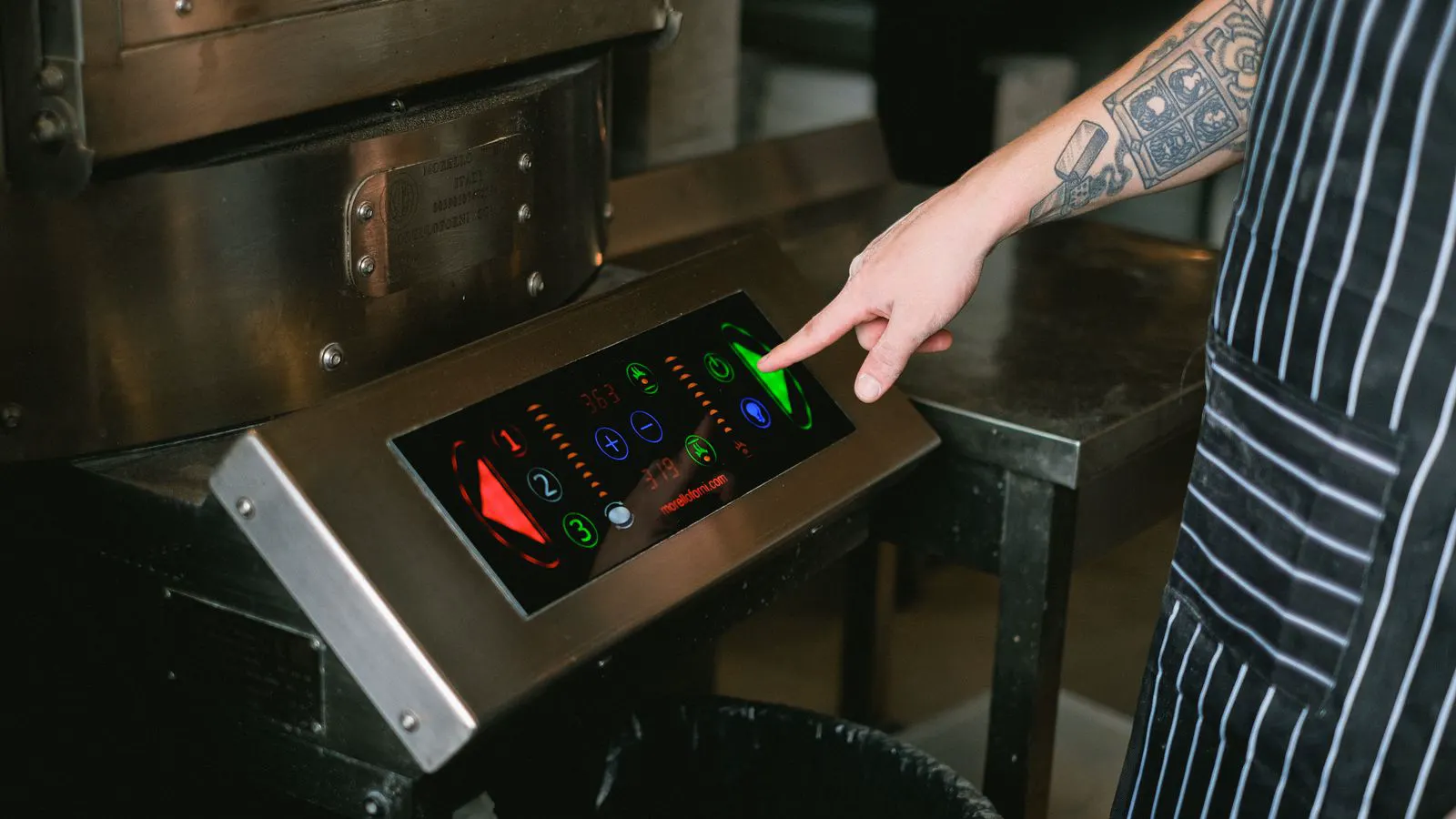
Next, review the control system. Can you set temperature limits easily? Do you get alerts? Can you see recent history? If the control system is confusing, staff are less likely to use it correctly.
Finally, check the service story. Who will service the unit? How quickly can parts be sourced? What does routine maintenance include? A system that is hard to service will create problems later, even if it performs well at first.
The goal is not to buy the most advanced unit. The goal is to buy a system that fits your kitchen, reduces daily friction, and supports food safety over time.
A Practical Checklist for Buyers
Use the numbered list below when reviewing commercial refrigeration options.
- Confirm the unit size matches your daily load, including peak days.
- Check door seal quality and hinge durability.
- Verify the control system can show temperature history and send alerts.
- Ask about compressor type and how it handles partial load.
- Review the refrigerant type and service requirements.
- Confirm condenser clearance and ventilation in the installation space.
- Ask the service provider about routine maintenance and leak checks.
- Evaluate internal lighting and shelf access for daily use.
- Ask about warranty terms and parts availability.
- Compare total cost of ownership, not just the purchase price.
This checklist keeps the decision grounded in the details that affect operations. It also helps avoid buying a system that looks good on paper but creates problems in the kitchen.
Looking Ahead
Commercial refrigeration is not changing because of a single breakthrough. It is changing because kitchens are under more pressure to control costs, meet food safety expectations, and keep systems running with less disruption. The equipment is becoming easier to monitor, easier to service, and more efficient in everyday use.
Buyers who plan for these changes will find it easier to make sound decisions. The systems that will serve kitchens well in the coming years are the ones that combine reliable cooling, clear controls, and practical maintenance.
Frequently asked questions
What is the biggest commercial refrigeration trend buyers should watch?
Energy efficiency is the main trend. Buyers should look for variable speed compressors, better insulation, and lower partial load consumption.
Do all commercial refrigeration systems need connected monitoring?
No. Larger operations often benefit from continuous monitoring and alerts, but smaller kitchens may be fine with a reliable local display and good service support.
How does food safety monitoring improve kitchen operations?
It gives staff and managers a clearer record of temperature performance. Alerts also help respond quickly when a cooler drifts out of range.
What refrigerant issues should buyers ask about?
Ask about refrigerant type, leak check frequency, recovery process, and documentation. These details affect long term service costs and compliance.
Should buyers focus on purchase price or total cost of ownership?
Focus on total cost of ownership. Running cost, service needs, door usage, and maintenance all affect the real cost over the life of the system.