This guide explains the required steps for gas safety inspections in commercial kitchens. It covers prerequisite checks, leak detection methods, appliance inspection criteria, and final verification protocols to prevent gas leaks and ensure equipment compliance.
- Gas safety checks require a documented process that covers both the gas supply line and the appliance itself.
- Leak detection should use multiple methods, including soap solution tests and electronic sniffers, to catch minor gas leaks.
- Appliance inspection must verify that safety devices like thermocouples and flame sensors function correctly before operation.
- Final verification requires a written record that confirms every check passed and the equipment is safe to use.
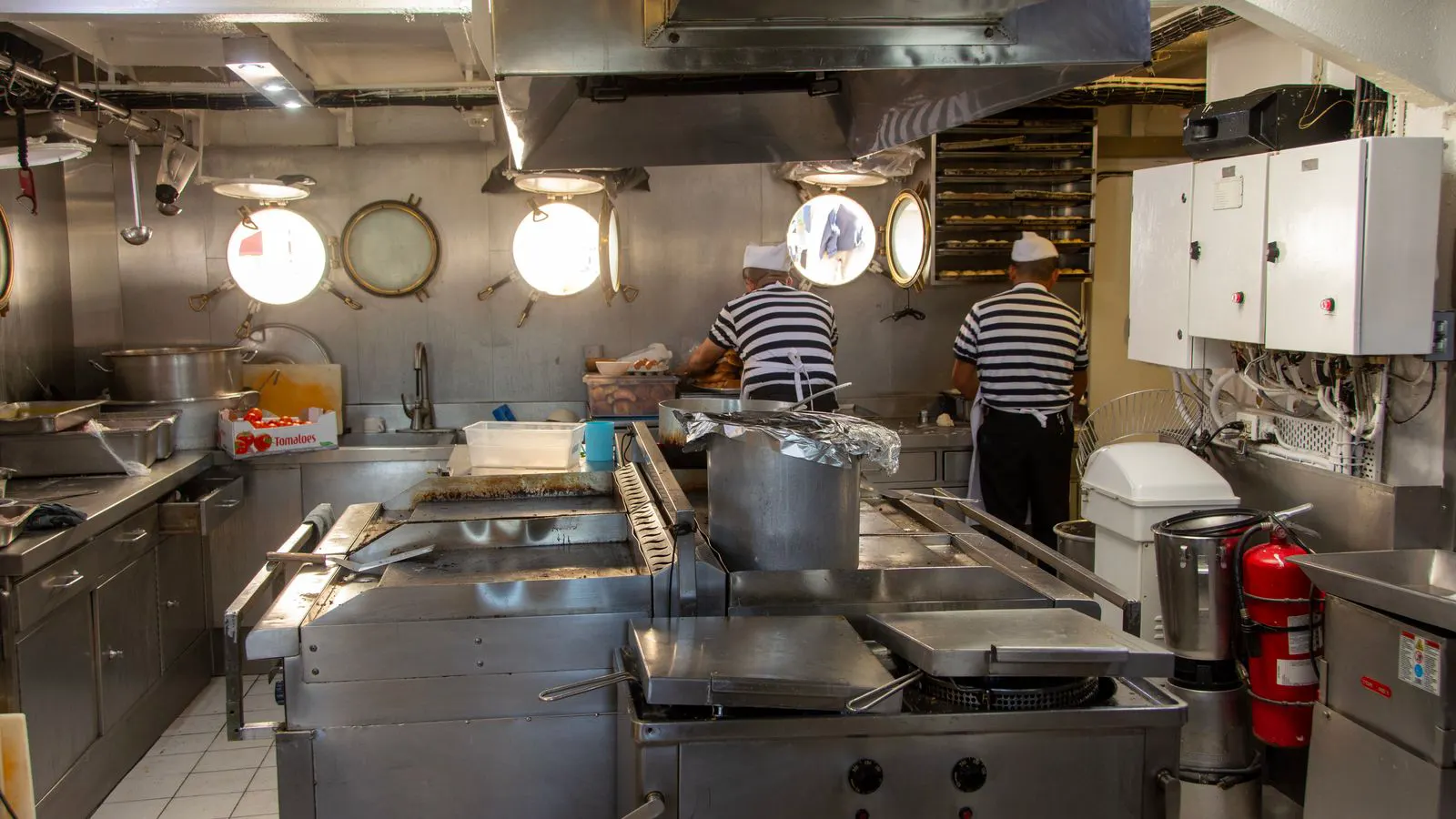
A commercial kitchen operates on a continuous cycle of heating, venting, and fuel consumption. Gas equipment powers ovens, fryers, grills, and boilers, creating a constant demand for reliable fuel delivery. When a gas line fails or a burner misfires, the result is not just a stopped production schedule. It is a fire risk, an explosion hazard, or an asphyxiation threat in an enclosed space.
Gas safety is not a single event. It is a series of checks performed at specific intervals. The frequency depends on local codes, the equipment age, and the usage intensity. Most commercial kitchens require quarterly or annual inspections. The process involves verifying the physical condition of the equipment, testing the fuel supply, and confirming that safety mechanisms engage when needed. This article outlines the standard procedure for these checks.
What to prepare before a gas safety inspection
Before touching any gas equipment, the technician must understand the layout and the operational status of the kitchen. This preparation phase prevents accidents and ensures the inspection covers every connected appliance.
The first step is to secure the workspace. Gas equipment should be powered down during initial checks. For gas burners, this means turning off the gas supply at the main shutoff valve. For electrical igniters or controls, the breaker should be switched off. This isolation prevents accidental ignition during the physical inspection.
Next, gather the necessary tools. A standard kit includes a gas detector with a calibrated sensor, a leak detection solution (usually a soapy water mixture), a pressure gauge for supply lines, and a multimeter for electrical components. If the equipment is older, a borescope may be needed to inspect the interior of the flue or burner ports without disassembly.
The technician must also review the equipment log. This document records the last inspection date, any repairs made, and the manufacturer’s recommended maintenance intervals. If a log is missing, the equipment is treated as overdue for a full inspection. The absence of records often points to a management gap that needs correction before the kitchen resumes high-volume service.
Finally, check the ventilation. Gas safety protocols assume the kitchen is ventilated. If the extraction hoods are not operating, the inspection should be paused. Accumulated gas in a poorly ventilated space is a severe hazard. The ventilation system must be confirmed active before any leak test begins.
How to perform a visual inspection of gas lines
The visual inspection identifies physical damage before any functional tests begin. A gas line that looks compromised may be releasing gas in a way that standard detectors might miss if the leak is intermittent.
Start at the main gas supply meter. Check the meter housing for corrosion, moisture, or damage. The meter is the first point of contact with the public gas supply. Any sign of tampering or leakage here requires immediate attention. Do not proceed to the kitchen equipment until the meter area is clear.
Move along the supply pipe to the equipment. Look for the pipe material. Commercial kitchens often use copper or stainless steel for gas lines. Check for dents, kinks, or corrosion. Copper pipes should have a bright, clean surface. Dull or greenish patches indicate oxidation. Stainless steel should be free of rust spots. A scratch or dent on a gas pipe is a potential failure point. The pipe should be straight and secured with proper clamps. Loose clamps allow the pipe to vibrate during operation, which can loosen fittings over time.
Inspect every joint and fitting. Threaded connections are common in commercial setups. Look for signs of leakage around the threads. A white or yellowish residue may indicate a past leak. For flanged connections, check that the bolts are tight and the gasket is intact. If a gasket is cracked or compressed beyond its service life, it must be replaced.
Examine the gas valves. The main shutoff valve and the individual appliance valves must be in good working order. A valve that sticks or leaks when closed is a safety risk. The technician should operate each valve several times to ensure smooth movement. A valve that requires excessive force to turn is likely seized or damaged.
How to test for gas leaks
Visual inspection identifies obvious damage, but it cannot detect micro-leaks. Leak testing is the core of gas safety verification. Two methods are standard: the soap solution test and the electronic gas detector.
The soap solution test is a low-tech but highly reliable method for finding small leaks. The technician mixes a small amount of dish soap with water in a spray bottle. The solution is applied to joints, fittings, and valve stems. If gas is escaping, the mixture will form bubbles. The size of the bubbles indicates the leak rate. Even a single small bubble is a failure. The equipment must be shut down and repaired.
The electronic gas detector provides a broader check. Most modern detectors have a sensor that measures gas concentration in the air. The technician walks the kitchen, holding the detector near suspected leak points and along the gas line path. The detector provides an audible alarm and a visual display of gas concentration. The reading should be below the threshold for explosive limits. If the detector alarms, the area must be evacuated, and ventilation increased before further investigation.
The reason for using both methods is coverage. The soap test checks specific points where gas escapes from the system. The electronic detector checks the ambient air for gas that may have leaked from a hidden source. Together, they create a complete picture of gas safety.
How to inspect appliance safety devices
Gas appliances include built-in safety mechanisms that protect against dangerous conditions. These devices must be tested to ensure they function correctly.
The first safety device to check is the flame sensor. Most commercial burners have a thermocouple or a flame rod that detects the presence of a flame. If the flame goes out, the sensor should cut off the gas supply within seconds. To test this, the technician lights the burner. Once the flame is stable, they use a non-sparking tool to block the flame sensor. The gas supply should shut off. If it does not, the sensor is faulty. A failed flame sensor allows gas to flow without combustion, which is a major explosion risk.
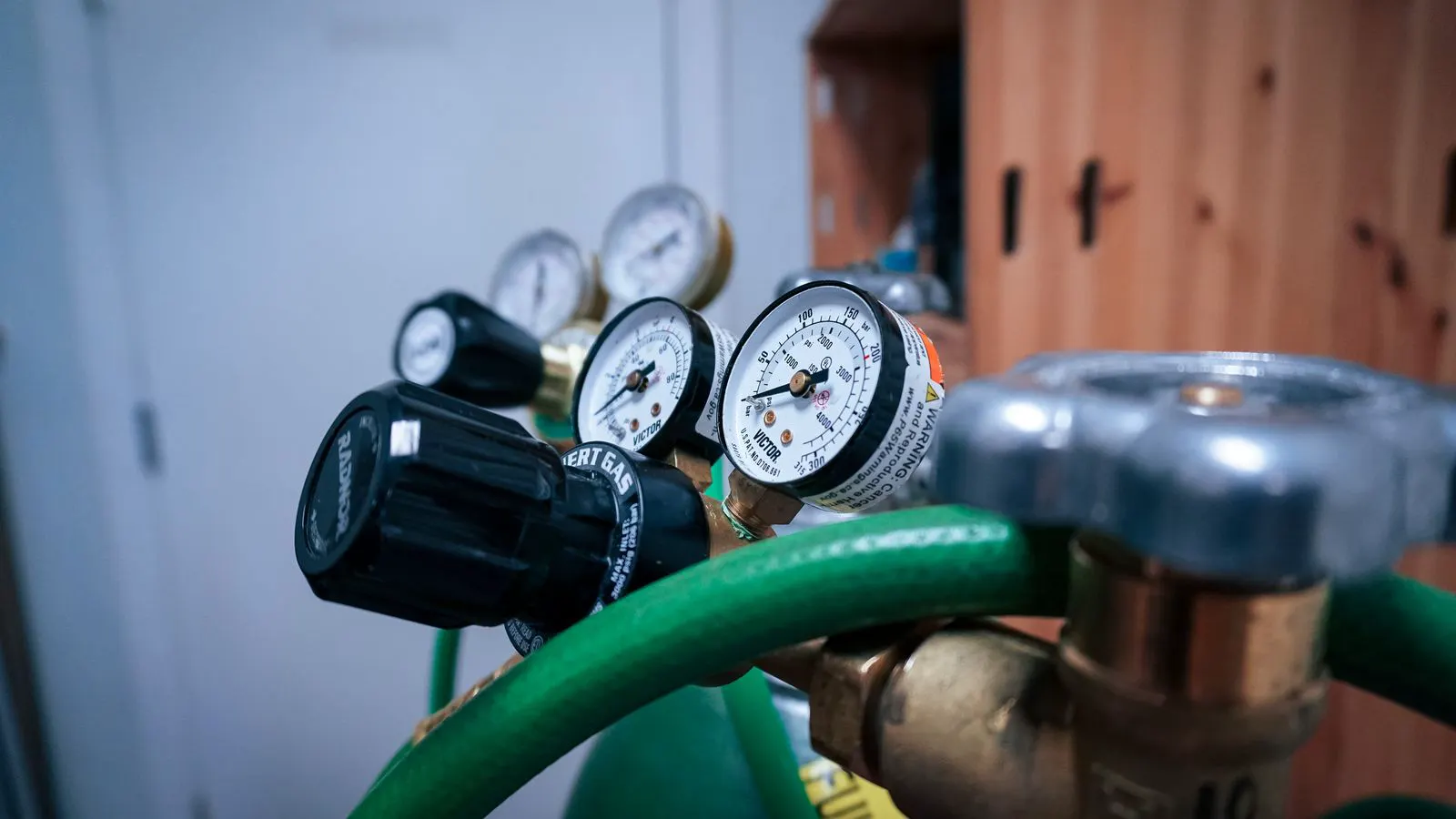
The second device is the pressure regulator. The regulator maintains the gas pressure at the correct level for the appliance. Too much pressure can cause a flare-up or a gas leak. Too little pressure results in an incomplete combustion. The technician uses a pressure gauge to measure the output. The reading should match the manufacturer’s specification. If the pressure is outside the acceptable range, the regulator must be adjusted or replaced.
The third device is the ignition system. Commercial equipment often uses electronic ignition to reduce the time between gas flow and flame. The technician verifies that the igniter sparks reliably. A weak or intermittent spark can cause a gas accumulation before ignition. This condition is known as a “pre-ignition” hazard. The igniter should be checked for wear or carbon buildup. A dirty igniter may need cleaning or replacement.
How to verify the ventilation and extraction system
Gas safety is inseparable from ventilation. Combustion produces carbon monoxide and water vapor. If these byproducts are not removed, they accumulate in the kitchen air. This creates a health hazard and can trigger fire alarms.
The technician must test the extraction hoods. The hood should maintain negative pressure in the kitchen. This means air flows from the kitchen into the hood, not the other way around. A simple test is to use a piece of tissue near the hood opening. The tissue should be pulled upward. If it drifts down, the hood is not creating enough suction.
Check the ductwork for blockages. Grease buildup is a common issue in commercial kitchens. A blocked duct reduces airflow and can cause a fire. The technician may need to inspect the duct with a camera. If grease is visible on the duct walls, a cleaning is required. The extraction system must be fully functional before gas equipment can be returned to service.
Common mistakes in gas safety checks
Even experienced technicians make errors. These mistakes can lead to false security or missed hazards.
The first mistake is skipping the leak test because the soap test was not available. The electronic detector is not a substitute for the soap test at joints. The detector checks the air, not the specific point of connection. Both methods are required.
The second mistake is assuming the equipment is safe because it has been running without issues. A slow leak can go undetected for months. The gas may be diluting in the air below the alarm threshold. A scheduled inspection catches these slow leaks before they become emergencies.
The third mistake is failing to document the findings. A gas safety check without a written record is incomplete. The record should list every check performed, the result, and the technician’s signature. This document is required for insurance and regulatory compliance.
How to complete the final verification step
The final step is to confirm that all checks have passed and the equipment is safe to operate. This is not just a formality. It is the point where the risk is assessed and the decision is made.
The technician reviews all the data collected during the inspection. The visual check, the leak test, the appliance safety devices, and the ventilation system must all be in good order. If any check failed, the equipment is tagged out of service. The tag should state the reason for the shutdown and the expected repair time.
The technician prepares the final report. This report is a legal document. It records the date of the inspection, the equipment identified, the checks performed, and the conclusion. The report should be filed in the kitchen’s maintenance records. The kitchen manager should receive a copy.
The final verification step is a physical re-check of the main gas valve. The technician turns the valve on. The appliance ignites. The flame is steady and blue. There is no smell of gas. The extraction hood is running. The kitchen is safe to operate. The gas safety check is complete.
Frequently asked questions
How often should gas safety checks be performed?
Most commercial kitchens require gas safety checks at least once a year. Some local codes or equipment manufacturers may require more frequent checks, such as quarterly or semi-annually.
What is the difference between a gas leak and a gas odor?
A gas leak is the actual escape of gas from a pipe or fitting. A gas odor is often added to natural gas to make leaks detectable. A gas odor indicates a potential leak, but it can also be caused by other sources.
Can a kitchen manager perform a gas safety check?
A kitchen manager can perform a visual check and report issues. However, detailed leak testing and appliance safety device verification should be done by a certified technician.
What should be done if a gas leak is found during an inspection?
Shut off the gas supply immediately. Ventilate the area. Do not operate any electrical switches or appliances. Contact the gas supplier or a certified technician for repair.
Is a gas safety check the same as a ventilation inspection?
No. They are related but different. A gas safety check focuses on the gas supply and appliance safety. A ventilation inspection focuses on the extraction system and air quality. Both are required for a safe kitchen.