Steamers use moist heat to cook food at a stable temperature, while convection ovens circulate hot air for browning and crispness. The choice depends on menu needs, speed, and texture goals.
- Steamers cook with moist heat, keeping surfaces damp and preventing browning.
- Convection ovens use moving air to speed cooking and create a dry, crisp exterior.
- Menu fit drives the decision: steam for vegetables and reheating, convection for roasting and baking.
- Capacity and speed requirements should match peak service periods.
- Combining both often covers a wider range of dishes than one unit alone.
How Heat Moves in Each Unit
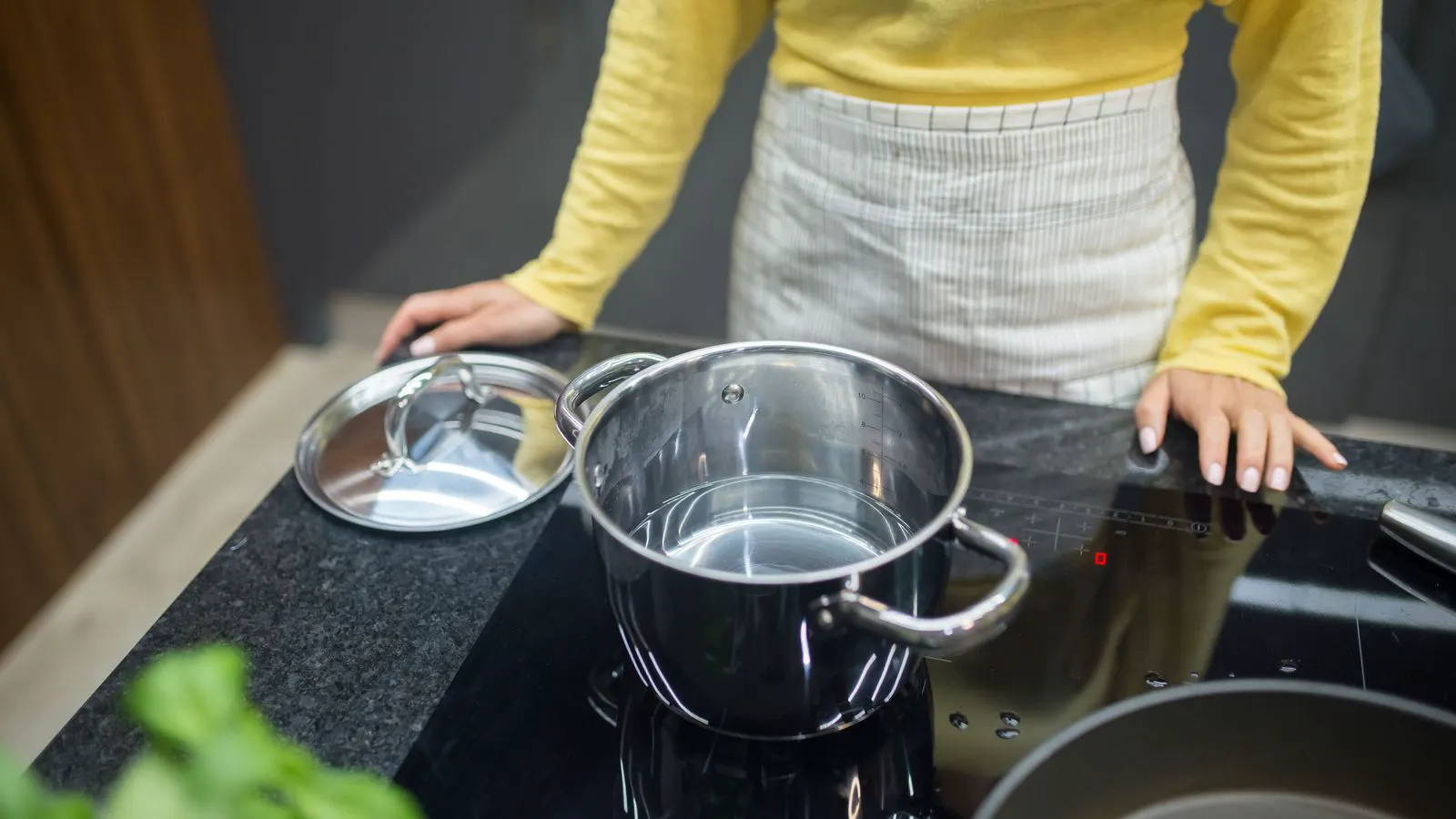
A steamer and a convection oven both apply heat, but the medium is different. A steamer fills the cooking chamber with water vapor. The vapor condenses on the food surface, transferring heat through phase change. This process is efficient because condensation releases latent heat directly to the product. The food stays wet, and the surface temperature rises toward the boiling point of water.
A convection oven relies on hot air. A fan forces air across the food and around the heating elements. The moving air strips away the thin layer of still air that forms on the surface. This keeps the surface drier and exposes it to hotter air. The result is faster heat transfer and the Maillard reaction, which creates browning.
The difference is not just temperature. It is the state of the heat carrier. Water vapor carries more heat per unit mass than air. That is why steam can cook dense items quickly without drying them out. Air carries less heat but moves faster because it is lighter. The fan in a convection oven compensates for the lower heat capacity of the medium.
What Each Method Does to Texture
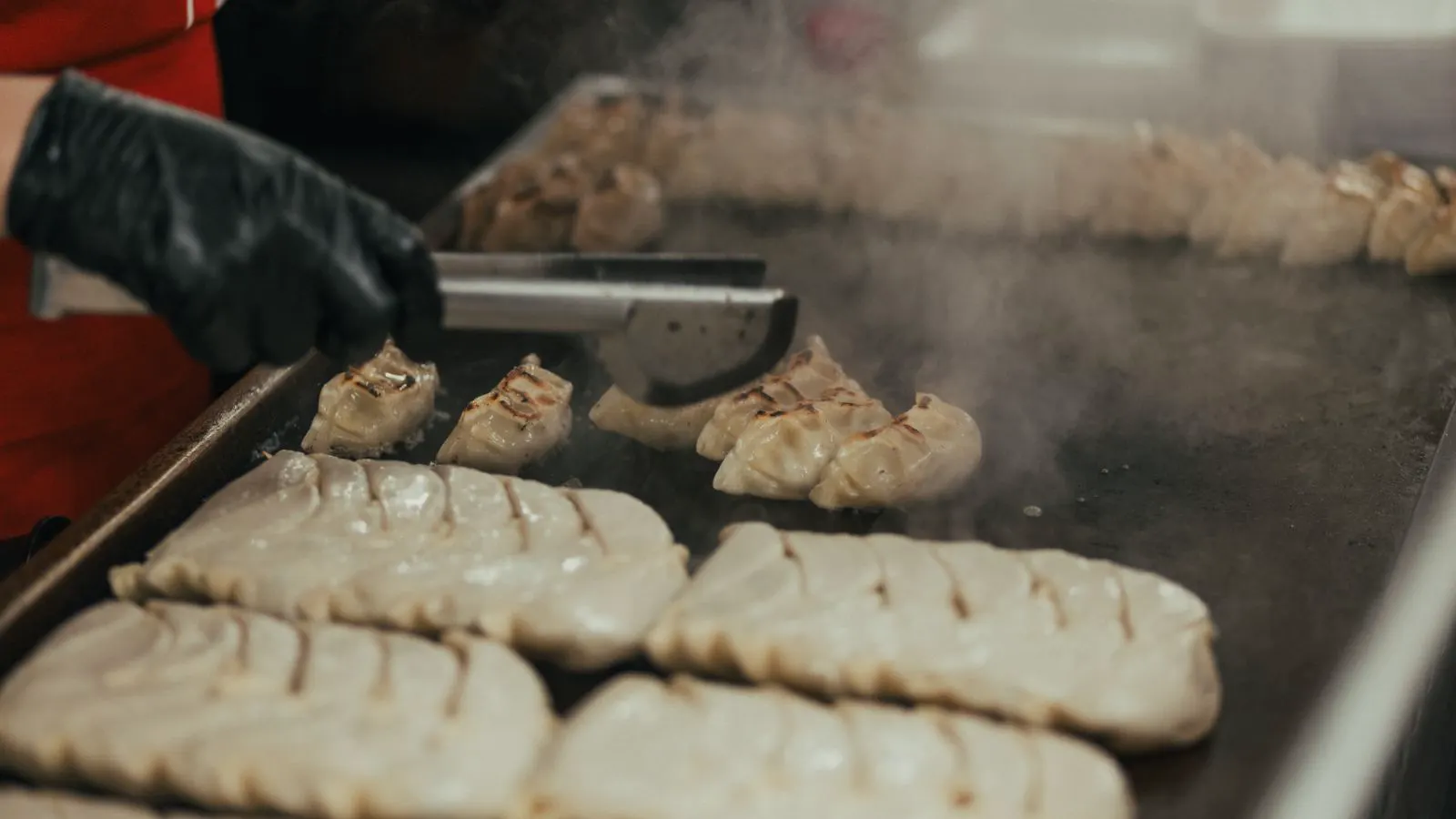
Texture is where the choice becomes visible on the plate. Steam cooking keeps the interior of the food moist. The exterior remains soft and pliable. This is why steamed fish, dumplings, vegetables, and certain baked goods stay tender. The surface does not form a crust. The skin of a chicken piece stays soft. The exterior of a loaf of bread remains flexible.
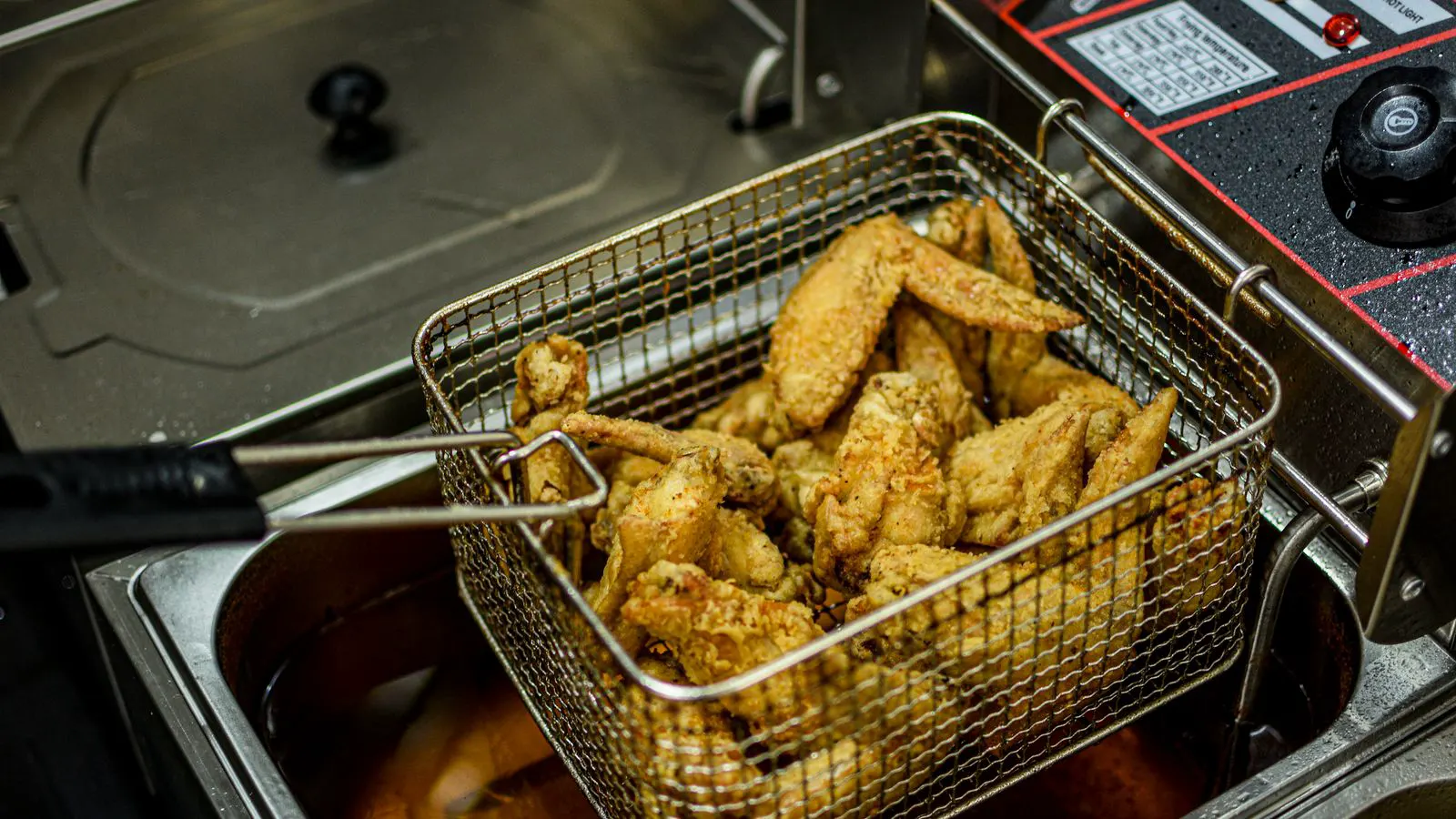
Convection cooking dries the surface. The moving air removes moisture from the outer layer. This allows the surface to heat above the boiling point of water. At that stage, starches and sugars react. Proteins denature. The surface becomes crisp or browned. A roasted chicken gets a crisp skin. A baked cake forms a set crust. A tray of potatoes develops a golden edge.
The trade-off is clear. Steam gives tenderness and moisture retention. Convection gives texture development and browning. If the menu calls for a soft, moist product, steam is the natural fit. If the menu calls for a crisp, browned exterior, convection is the better tool.
Speed and Energy Use in Practice
Steaming is often faster for certain items because the heat transfer is so efficient. A dense vegetable like a carrot or a piece of fish cooks through quickly in steam. The temperature inside the chamber stays close to 100 degrees Celsius. That temperature is high enough for safe cooking and fast enough for most menu items.
Convection ovens are fast in a different way. The fan increases the rate of heat transfer. This shortens cooking time compared to a static oven. For a tray of baked goods, the fan helps even out the heat and reduces the time needed for the surface to set. The energy use depends on the load. A fully loaded convection oven uses more total energy than an empty one, but the per-item cost can be lower because the cycle is shorter.
The energy question is not just about electricity or gas. It is about how much heat escapes and how much the unit must replace. Steamers lose heat through the vapor when the door opens. The chamber must refill with steam. Convection ovens lose heat through the air when the door opens. The fan continues to circulate, but the temperature drops until the elements bring it back up. The recovery time differs. Steamers can recover quickly if the boiler is sized well. Convection ovens depend on the power of the heating elements and the capacity of the chamber.
Capacity and Loading Considerations
The way you load food changes the performance. In a steamer, the food must not block the vapor path. If a tray is packed too tightly, the vapor cannot reach the bottom of the stack. The lower items cook slower. Spacing is critical. Trays should allow airflow between them. The condensation that forms on the upper trays can drip onto the lower ones. That is usually acceptable, but it can affect the finish on delicate items.
In a convection oven, the airflow pattern is more complex. The fan creates a moving boundary layer. Food that blocks the fan or the heating elements disrupts the flow. The result is uneven cooking. Some items get too much heat, others too little. The placement of racks matters. The center of the chamber usually receives the most air. The corners may run cooler. Rotating trays is a common practice in high-volume kitchens.
The capacity of a steamer is measured by the volume of vapor the boiler can produce. The capacity of a convection oven is measured by the volume of air the fan can move. Both are limited by the size of the chamber and the power of the heating system. A larger chamber does not automatically mean a faster cycle. The heating system must be matched to the volume.
Which Unit Fits Which Menu
The menu is the main driver. A kitchen serving mostly steamed vegetables, fish, and reheated meals may not need a convection oven. A kitchen serving roasted meats, baked goods, and fried items may not need a steamer. The question is what percentage of the menu requires each method.
A restaurant that serves a full dinner menu often needs both. The breakfast service may rely on a convection oven for pastries and eggs. The lunch service may rely on a steamer for vegetables and fish. The dinner service may rely on a convection oven for roasts and a steamer for vegetables. If the kitchen is small, the space may not allow for two full-size units. In that case, the operator must decide which method covers more of the menu.
A common mistake is to buy one unit and assume it can do everything. A convection oven can cook vegetables, but the result is different from steaming. The vegetables dry out. The texture is different. A steamer can cook meat, but the result is a boiled or poached texture. The Maillard reaction does not happen. The flavor profile changes. The operator must match the method to the dish.
A Worked Example: Preparing a Vegetable Side
Consider a menu that includes a tray of mixed vegetables. The vegetables include carrots, green beans, and potatoes. The goal is a tender but not mushy result.
If you use a steamer, you place the vegetables on a perforated tray. You fill the chamber with steam. You close the door. The steam rises and condenses on the vegetables. The carrots cook through first. The green beans become tender. The potatoes remain firm if the time is controlled. The result is a bright color and a clean taste. The surface is wet. The vegetables do not brown.
If you use a convection oven, you place the vegetables on a baking sheet. You spread them in a single layer. You set the oven to a higher temperature. The fan moves the hot air. The vegetables dry out. The edges brown. The surface becomes slightly crisp. The interior is cooked, but the texture is different. The flavor is more concentrated because the moisture evaporates. The result is a roasted vegetable side.
The two methods produce two different dishes. One is a steamed vegetable side. The other is a roasted vegetable side. The customer expects a different texture from each. The operator must choose the method that matches the dish description.
Maintenance and Operating Checks
Both units require regular checks, but the focus areas differ. A steamer must be checked for scale buildup. Water minerals deposit on the heating surfaces. The scale reduces efficiency. It also damages the boiler. The operator should flush the system regularly. The gaskets on the door must be checked for wear. A leaking door causes steam loss. The temperature probe must be calibrated. If the probe reads low, the food cooks longer. If it reads high, the food overcooks.
A convection oven must be checked for fan operation. The fan blades can collect grease and dust. A clogged fan reduces airflow. The heating elements must be inspected for damage. A failing element causes uneven heat. The door gasket must be checked for air leaks. Air leaks cause the temperature to drop. The fan motor must be checked for wear. A struggling motor reduces performance.
The cleaning routines are different. A steamer chamber is wet. The operator must remove condensation and food debris. The surfaces can be wiped down. The boiler area requires a specific cleaning solution. A convection oven chamber is dry. The operator must remove grease and food splatter. The fan and the heating elements require a dry cleaning. The use of water in a convection oven can damage the electrical components. The method of cleaning must match the unit.
Final Sourcing Considerations
The decision between a steamer and a convection oven is not about which one is better. It is about which one serves the menu. The operator must list the dishes that require each method. The operator must look at the peak hour. If the peak hour is heavy on roasted meats, a convection oven is the priority. If the peak hour is heavy on steamed items, a steamer is the priority.
The operator must also consider the space. A steamer and a convection oven have different footprints. The electrical requirements differ. A steamer may need a gas connection for the boiler. A convection oven may need a higher electrical load for the fan and the elements. The installation must be planned. The utility bills must be projected.
The best kitchens often use both. A steamer handles the moist heat dishes. A convection oven handles the dry heat dishes. The kitchen can cover a wider range of dishes. The staff can work faster because each unit is used for its intended purpose. The food quality is higher because the method matches the dish. The sourcing decision should reflect the menu, not just the price tag.
Frequently asked questions
Can a convection oven replace a steamer for all dishes?
No. A convection oven cannot replicate the moist heat of a steamer. Dishes that rely on steam for texture and flavor will not turn out the same in a convection oven.
Is steam cooking always faster than convection cooking?
Not always. Steam is faster for dense, moist items because the heat transfer is efficient. Convection can be faster for dry, crisp items because the fan increases heat transfer.
What is the main difference in energy use?
Steamers use energy to heat water into vapor. Convection ovens use energy to heat air. The recovery time after opening the door differs between the two units.
How do I know which unit to buy?
Look at the menu. Count the dishes that require steam and the dishes that require convection. The method that covers more of the menu is the priority.
Can I use a steamer to brown food?
No. Steam keeps the surface wet. Browning requires a dry surface at a high temperature. A steamer cannot produce the Maillard reaction.