Verify electrical compliance by matching appliance voltage to facility supply, confirming circuit load capacity, and checking wiring standards. This prevents overheating, tripping breakers, and safety hazards in commercial kitchens.
- Match appliance nameplate voltage to facility supply before installation.
- Calculate total circuit load including simultaneous operation of major equipment.
- Verify wiring standards for insulation, grounding, and protection devices.
- Keep documentation for audits, maintenance, and warranty support.
Why electrical compliance fails in commercial kitchens
Most electrical issues in food service environments trace back to a mismatch between equipment and facility design. A new fryer or convection oven may look compatible, but its plug, amperage draw, and voltage requirements might not match the existing circuit. The result is tripped breakers, overheated connections, and equipment that shuts down during peak service.
Compliance is not just a code formality. It protects the kitchen staff, the building, and the equipment itself. When an appliance draws more current than the circuit can handle, the insulation in the wiring heats up. That heat weakens the insulation over time and creates a fire risk.
Buyers and engineers need to verify three things before any kitchen appliance enters the building. The voltage must match the facility supply. The circuit load must handle the expected draw. The wiring must follow accepted standards for insulation, grounding, and protection.
How to verify voltage requirements
The first check is the nameplate. Every commercial appliance has a rating plate, usually on the side, rear, or under the service panel. It lists the rated voltage, frequency, and maximum current draw.
Commercial kitchens often use three-phase power for larger equipment such as combi ovens, deck ovens, and walk-in refrigeration compressors. Single-phase circuits are common for smaller items like coffee machines, dishwashers, and prep tables.
If the facility runs 208 volts and the appliance requires 230 volts, the equipment may start but run poorly. Motors run hotter. Compressors cycle less efficiently. The appliance may not reach temperature quickly enough.
Do not assume that a plug physically fits. A NEMA L6-30 plug looks standard, but it can be supplied at 208 or 240 volts depending on the panel. Check the facility supply voltage at the main disconnect before ordering equipment.
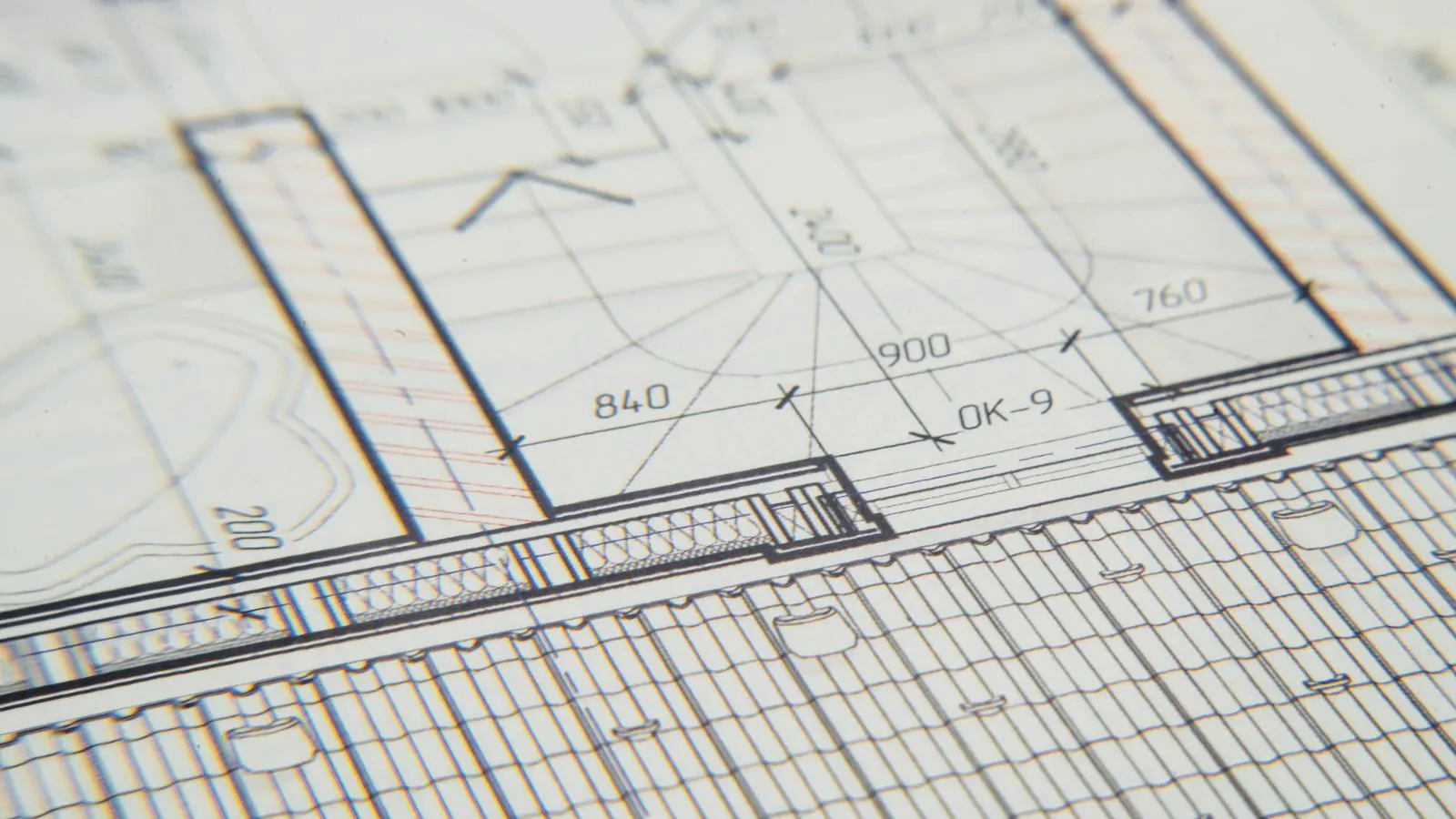
When in doubt, ask the electrical contractor for the single-line diagram. This document shows every circuit, its breaker size, and its voltage. It is the fastest way to confirm compatibility without guessing.
How to calculate circuit load
Circuit load is the total current drawn by all devices on a single breaker. A common mistake is sizing the circuit for one appliance and then adding others later.
Add up the nameplate amperage of every device on that circuit. For example, a 48-volt, 20-amp fryer draws a certain amount. Add a 120-volt, 10-amp coffee machine. Then add a 120-volt, 15-amp dishwasher. The sum must stay below the breaker rating with a safety margin.
Most code requirements for continuous loads, such as motors running for three hours or more, call for a 125 percent factor. A 20-amp motor on a continuous load needs a 25-amp circuit, not a 20-amp one.
Look for shared circuits. Many older kitchens have a single 30-amp circuit feeding multiple small appliances. During peak service, that circuit may be overloaded. The breaker trips, and the kitchen loses service.
Engineers should separate high-draw equipment onto dedicated circuits. Fryers, combi ovens, and large refrigeration units should have their own breakers. Small appliances can share circuits, but only if the total load is calculated correctly.
How to check wiring standards
Wiring standards cover the physical conductors, insulation, and protection devices. The wire gauge must match the current. A 14-gauge wire is not rated for a 30-amp circuit. It will overheat.
Insulation rating matters in a kitchen. The environment is hot, wet, and greasy. Standard insulation may degrade quickly. Look for conductors rated for wet locations and high temperatures.
Grounding is non-negotiable. Every appliance must have a solid ground connection. A missing ground can cause shock hazards, especially if the equipment chassis becomes energized. Check the ground lug on the appliance and the grounding conductor in the panel.
Protection devices, such as circuit breakers and fuses, must be correctly sized. A breaker that is too large will not trip when it should. A breaker that is too small will trip during normal operation.
Check the breaker type. Some older facilities use fuses. Modern installations usually use breakers. If the facility still uses fuses, verify that replacement fuses are available and that the fuse holder is rated for the circuit.
How to document electrical compliance
Documentation is the paper trail that protects the building during inspections and maintenance. Keep the electrical single-line diagram updated. Record every circuit, its breaker size, and the equipment it feeds.
Keep nameplate photos. If an appliance is replaced, take a photo of the nameplate before installation. This records the original voltage and amperage rating.
Keep the electrical certification from the installer. This document confirms that the work meets local codes. It also helps with liability if a fault occurs.
Store these documents in a shared drive or a physical file in the kitchen office. If an inspector asks for proof of compliance, you should be able to produce the documents within minutes.
Common electrical compliance mistakes
One mistake is ignoring the nameplate. The plug may fit, but the voltage may not match. Another mistake is overloading shared circuits. A kitchen may run fine on Monday, but by Friday the added equipment trips the breaker.
A third mistake is reusing damaged wiring. If the insulation is cracked, the conductors are corroded, or the connections are loose, the circuit must be repaired. Do not patch a damaged wire with electrical tape.
A fourth mistake is skipping the grounding check. Some older kitchens have missing or loose grounds. This is a serious safety issue.
A fifth mistake is not updating the diagram after changes. If a circuit is added or an appliance is moved, the diagram must be updated. An outdated diagram misleads the next person who works on the system.
How to evaluate appliances for electrical compliance
Before purchasing, check the nameplate data. Match the voltage to the facility supply. Confirm the amperage draw and calculate the circuit load. Verify that the wiring in the facility meets the required standards.
Use the table below to compare equipment options.
| Criterion | What to look for | Why it matters |
|---|---|---|
| Voltage rating | Nameplate voltage matches facility supply | Prevents equipment damage and poor performance |
| Amperage draw | Total draw on circuit stays within breaker rating | Prevents tripping breakers and overheating |
| Plug type | Correct plug for facility supply | Ensures safe and secure connection |
| Wiring insulation | Rated for wet and hot locations | Prevents insulation failure in kitchen environment |
| Grounding | Solid ground connection on appliance and panel | Prevents shock hazards and protects equipment |
| Documentation | Nameplate photos and electrical certification kept | Supports audits, maintenance, and warranty claims |
Decision checklist
- Confirm the facility supply voltage from the electrical contractor or main disconnect.
- Record the nameplate voltage and amperage of every appliance.
- Calculate the total circuit load including continuous load factors.
- Verify that wire gauge and insulation are rated for the environment.
- Check grounding connections on appliances and panels.
- Confirm that breakers are correctly sized for the load.
- Update the single-line diagram after installation.
- Store nameplate photos and electrical certification.
- Test the circuits under normal operating conditions before full service.
- Schedule periodic checks for loose connections and insulation damage.
Electrical compliance is a practical task. It requires reading nameplates, calculating loads, and checking wiring. Do it before the equipment arrives, and verify it after installation. The kitchen will run safer, and the equipment will last longer.
Frequently asked questions
What voltage does a commercial kitchen appliance need?
Check the nameplate on the appliance. It lists the rated voltage. Match that to the facility supply voltage to avoid damage and poor performance.
How do I calculate circuit load for kitchen equipment?
Add the amperage of every device on the circuit. Apply a 125 percent factor for continuous loads. Keep the total below the breaker rating.
What wiring standards apply to commercial kitchens?
Wiring must match the current rating. Insulation must be rated for wet and hot locations. Grounding must be solid. Protection devices must be correctly sized.
Can I add more equipment to an existing circuit?
Only if the total load stays within the breaker rating. If it exceeds the rating, a new circuit is required.
What documents should I keep for electrical compliance?
Keep the single-line diagram, nameplate photos, electrical certification, and installation records. These support audits and maintenance.