Ventilation retrofit cost depends on ductwork length, extraction rates, and equipment load. Lead times vary by region and permit speed. A clear RFQ and phased planning reduce delays and budget overruns.
- Ventilation retrofit costs rise with ductwork length, extraction rates, and the number of new or changed cooking stations.
- A clear RFQ specifying equipment load, existing duct size, and code requirements helps vendors produce comparable quotes.
- Lead times are often driven by permit review, duct fabrication, and material availability rather than the installation crew alone.
What drives the ventilation retrofit cost
Most kitchen ventilation projects fail to stay on budget because the scope is defined too late. A quote based on a single hood over a grill is easy to price. A quote that includes a new fryer line, a wood-fired oven, and a walk-in freezer exhaust becomes complex quickly. The cost is not just the hood and the fan. It is the interaction between those elements and the existing building envelope.
The primary cost drivers fall into a few categories. First is the extraction rate. Every piece of equipment generates a specific heat and smoke load. A commercial griddle emits a different profile than a deep fryer or a combi oven. The engineer must calculate the total face velocity and total air volume. If the existing ductwork is too small for the new load, the fan cannot move the air efficiently. You may need a larger fan, which changes the electrical load, the motor size, and the mounting structure.
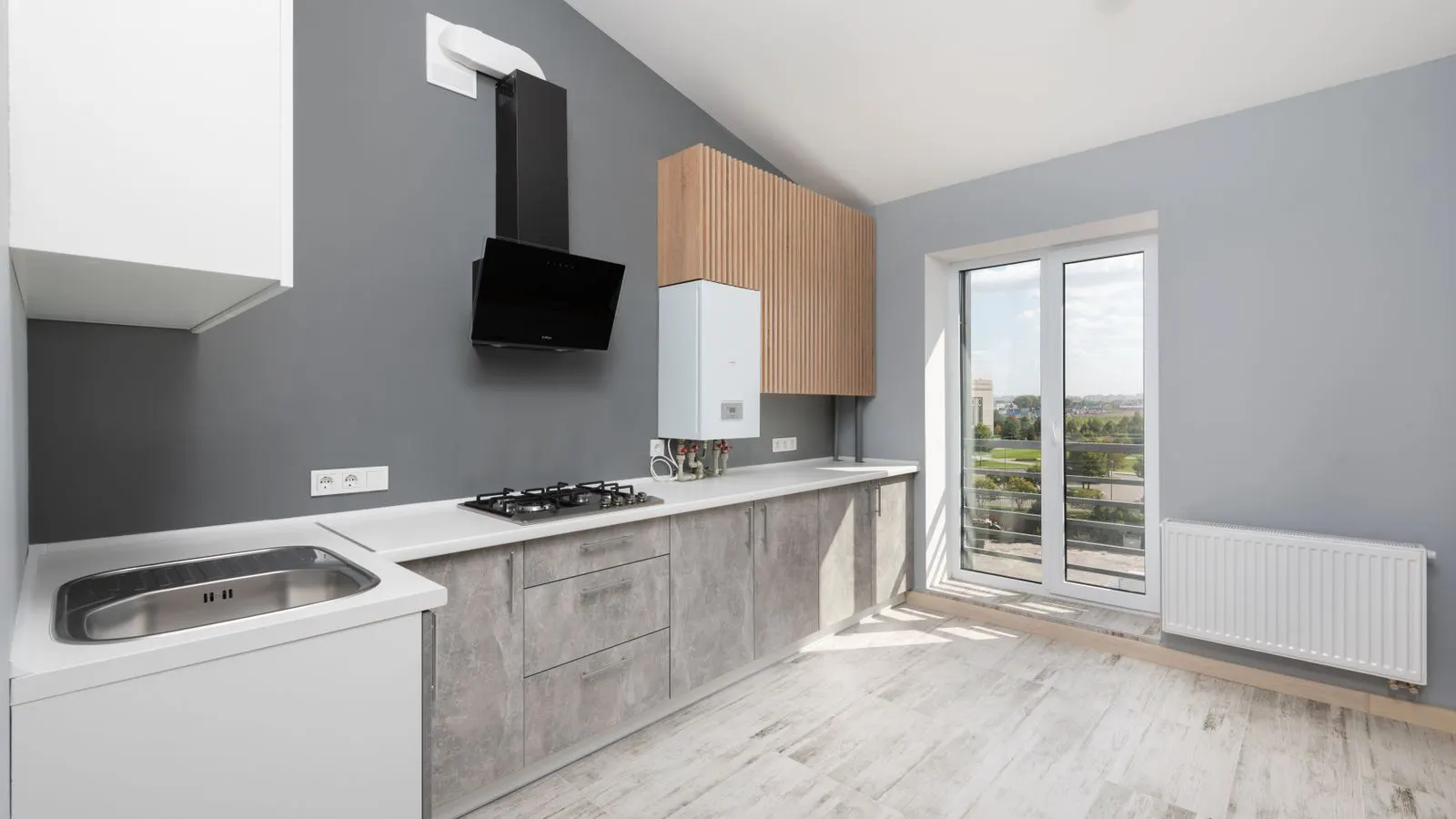
Second is the ductwork. In a retrofit, you rarely get to choose the path. The new duct may need to run over a corridor, through an existing ceiling, or through a wall that was originally designed for a single utility. Cutting through a concrete slab or a fire-rated partition adds labor and material costs. You also need to consider the dampers. A retrofit often requires adding or repositioning make-up air dampers to prevent negative pressure in the kitchen. This can affect the HVAC system for the dining area.
Third is the control system. Modern retrofits often include variable frequency drives to adjust fan speed based on hood load. This reduces energy use but adds cost. It also requires wiring and a controller that can interface with the kitchen equipment. If you are adding induction cooktops or electric ovens, the electrical service may need an upgrade. The ventilation fan is not the only load in the building.
How to write a clear RFQ
A vague request for a quote leads to a vague answer. Vendors will assume the worst case when they do not know the details. They will size the hood for the largest possible equipment and add a buffer to the duct length. This inflates the price.
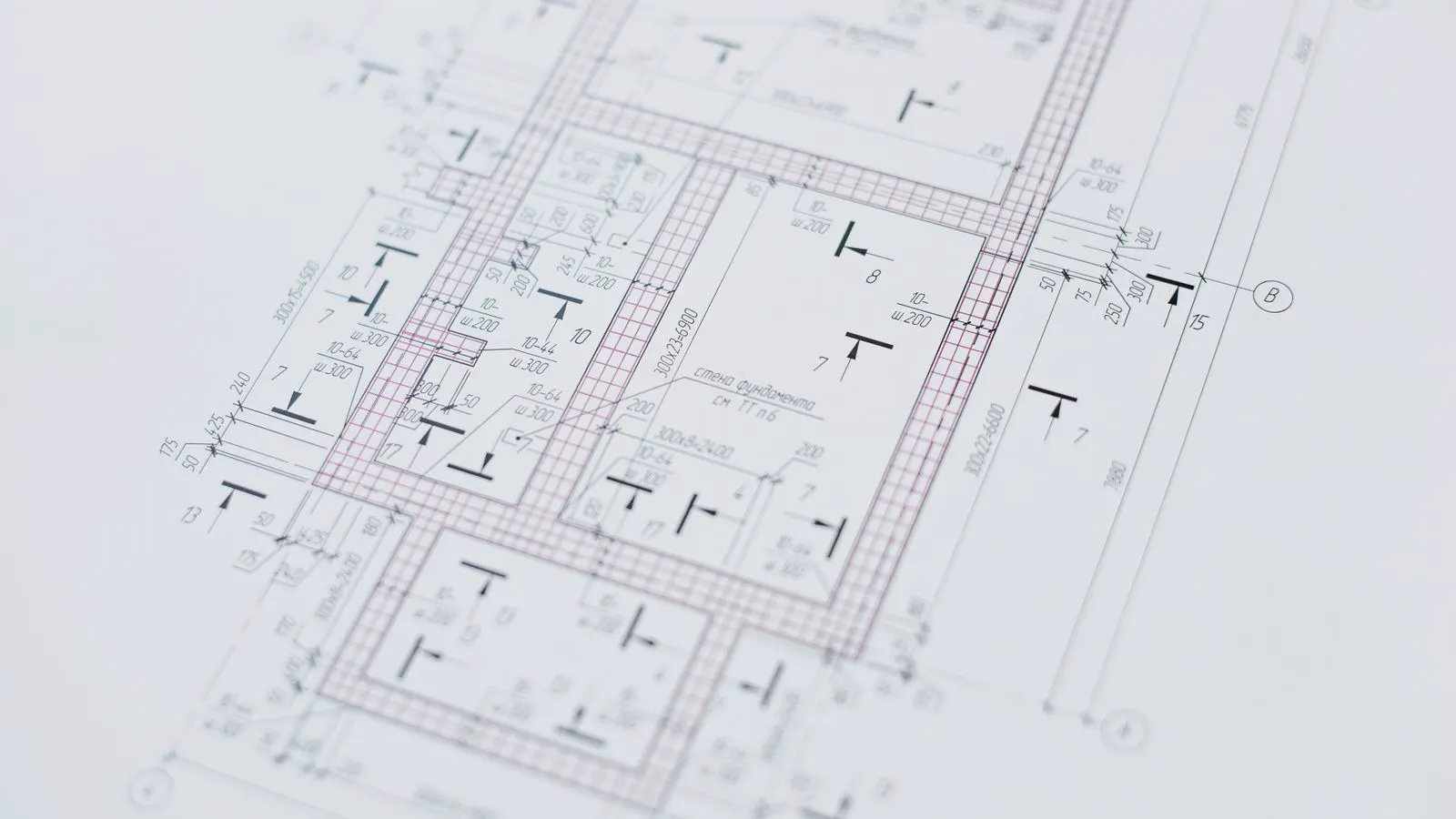
A strong RFQ should include the existing floor plan. Mark the location of the current hood, the existing exhaust duct, and the location of the make-up air. Include the equipment list. Do not just say “grill.” Specify the width, the type of fuel, and the expected usage. A gas grill and an electric griddle have different heat loads.
State the desired extraction rate. If you have a code or a manufacturer requirement, include it. If you do not, ask the vendor to specify their standard. This prevents one vendor from quoting a basic hood and another quoting a high-performance model. The comparison becomes meaningless.
Include the existing building constraints. Is the ceiling accessible? Is the roof space available for a roof-mounted fan? Are there fire-rated walls that need penetration? These details tell the vendor how much labor to budget for. A duct run through an open ceiling is cheap. A duct run through a sealed ceiling with a fire stop is expensive.
Finally, specify the timeline. If you need the project done in three months, say so. If you can wait six months, the cost may be lower. Some vendors can schedule fabrication in a slower production queue. This flexibility can save money.
How to compare quotes fairly
Receiving multiple quotes is good. Comparing them is hard. Vendors often price different things. One quote may include the ductwork, and another may not. One may include the permit fees, and another may not.
Create a comparison matrix. List the line items. Hood, fan, ductwork, controls, electrical, labor, permits. For each item, check if it is included. If a quote does not list the ductwork, ask if it is included in the labor or if it is a separate cost. Do not guess.
Look at the labor hours. If one vendor quotes 80 hours and another quotes 120 hours for the same scope, ask why. The difference may be in the crew size, the shift pattern, or the complexity of the access. A 20 percent difference in labor is common in retrofits. Do not assume the lowest price is the best deal.
Check the exclusions. Many quotes exclude the make-up air system. They exclude the electrical upgrade. They exclude the permit. These items can add significant cost. Ask for a “lump sum” quote that includes all necessary work to make the system compliant. This is the only way to compare apples to apples.
Timeline planning for equipment installation
The timeline for a ventilation retrofit is rarely just the installation week. It is the sum of the planning, permitting, fabrication, and installation phases. Planning takes the longest. You need to review the drawings, confirm the equipment load, and get the permits. This can take weeks, depending on the local authority.
Fabrication is the second major phase. The ductwork is custom made. The fan is ordered from a manufacturer. If you need a specific size of duct or a special fan, the lead time can extend. Do not assume the materials are in stock. Ask the vendor for the lead time on each major component. The longest lead time determines your project start date.
Installation is the shortest phase. A crew can install a hood and a duct run in a few days. But they cannot start until the permits are in hand and the materials are on site. If you try to start installation before the materials arrive, you pay for idle labor. This is a common mistake.
Plan for the disruption. A ventilation retrofit involves cutting into the ceiling and the floor. The kitchen may not be open. The dining area may have noise. Plan for the downtime. If you are a high-volume restaurant, you may need to close the kitchen for a week. This affects revenue. Factor this into your budget.
Common cost overruns in retrofit projects
The most common cost overrun is the make-up air. The kitchen needs fresh air to replace the air being extracted. Without it, the kitchen becomes negative pressure. Doors stick. The HVAC system struggles. The air from the kitchen leaks into the dining area.
Engineers often forget to size the make-up air. They focus on the hood and the fan. They assume the existing HVAC system will provide the make-up air. This is rarely true. The make-up air system needs its own damper, its own duct, and its own control. It adds cost.
Another common overrun is the electrical. The ventilation fan is a large motor. It may need a new circuit. If the existing panel is full, you need to add a panel. This adds cost. It also adds time. The electrician must coordinate with the ventilation contractor.
The third overrun is the code. Local codes change. A building that was permitted ten years ago may not meet current code for ventilation. You may need to upgrade the hood, the duct, or the fan to meet the new requirements. This is often not visible in the original quote. It is discovered during the permit review.
How to reduce risk and cost
The best way to reduce cost is to define the scope early. Do not wait until the equipment is ordered. Order the ventilation after you have the equipment specifications. Do not guess the load.
The best way to reduce lead time is to order the long-lead items early. The fan and the custom ductwork are the long-lead items. Order them as soon as the design is approved. Do not wait for the permit to be issued. Many manufacturers will start fabrication once the design is approved, even before the permit is in hand.
The best way to reduce risk is to use a single contractor for the ventilation and the make-up air. If you hire two contractors, they may not coordinate. They may blame each other for delays. A single contractor takes responsibility for the whole system.
Finally, keep a contingency. A ventilation retrofit is not a new build. There are always surprises. A hidden pipe. A structural member. A code requirement. Add a contingency of 10 to 15 percent to your budget. This is not a waste. It is a buffer.
Summary of key factors
The cost and lead time for a ventilation retrofit are driven by the equipment load, the ductwork, and the code. A clear RFQ and a fair comparison of quotes are the tools to manage the cost. A phased plan for planning, permitting, fabrication, and installation is the tool to manage the lead time. The goal is a system that works, that is compliant, and that stays within budget.
Cost Drivers Table
| Cost Driver | Description | Impact on Budget |
|---|---|---|
| Equipment Load | The heat and smoke generated by the cooking equipment. | Higher load requires a larger hood and fan, increasing cost. |
| Ductwork Length | The distance and complexity of the duct run. | Longer or more complex runs increase labor and material cost. |
| Make-Up Air | The fresh air system needed to balance the extraction. | Often overlooked, it adds significant cost and complexity. |
| Permits and Code | The local requirements for the ventilation system. | Can require upgrades to the hood, duct, or fan. |
| Electrical | The power required for the fan and controls. | May require a new circuit or panel upgrade. |
| Timeline | The required completion date. | Tight timelines may require premium labor or expedited materials. |
Numbered List for RFQ Preparation
- List all cooking equipment with width and fuel type.
- Mark the existing hood and duct locations on a floor plan.
- Specify the desired extraction rate or face velocity.
- Identify any fire-rated walls or ceilings that the duct must penetrate.
- State the required completion date and any downtime constraints.
- Ask for a lump sum quote that includes permits and make-up air.
- Request the lead time for the fan and custom ductwork.
- Confirm the exclusions in the quote, such as electrical or structural work.
Frequently asked questions
Does the ventilation retrofit cost depend on the type of cooking equipment?
Yes. Gas, electric, and wood-fired equipment have different heat and smoke loads. A wood-fired oven requires more extraction than an electric griddle, which increases the hood size and fan cost.
How long does the permit process take?
This varies by location. It can take a few weeks or several months. The permit is often the longest part of the timeline, not the installation.
Can I use the existing ductwork?
Sometimes. If the existing duct is large enough and in good condition, you can reuse it. If it is too small or damaged, you must replace it, which increases cost.
What is the most common mistake in a ventilation retrofit?
Forgetting the make-up air. Without it, the kitchen becomes negative pressure, which causes doors to stick and the HVAC system to work harder. It also creates a safety risk.
How do I know if a quote is fair?
Compare the line items. If a quote does not list the ductwork or make-up air, ask for clarification. Do not assume it is included. A fair quote is detailed and transparent.